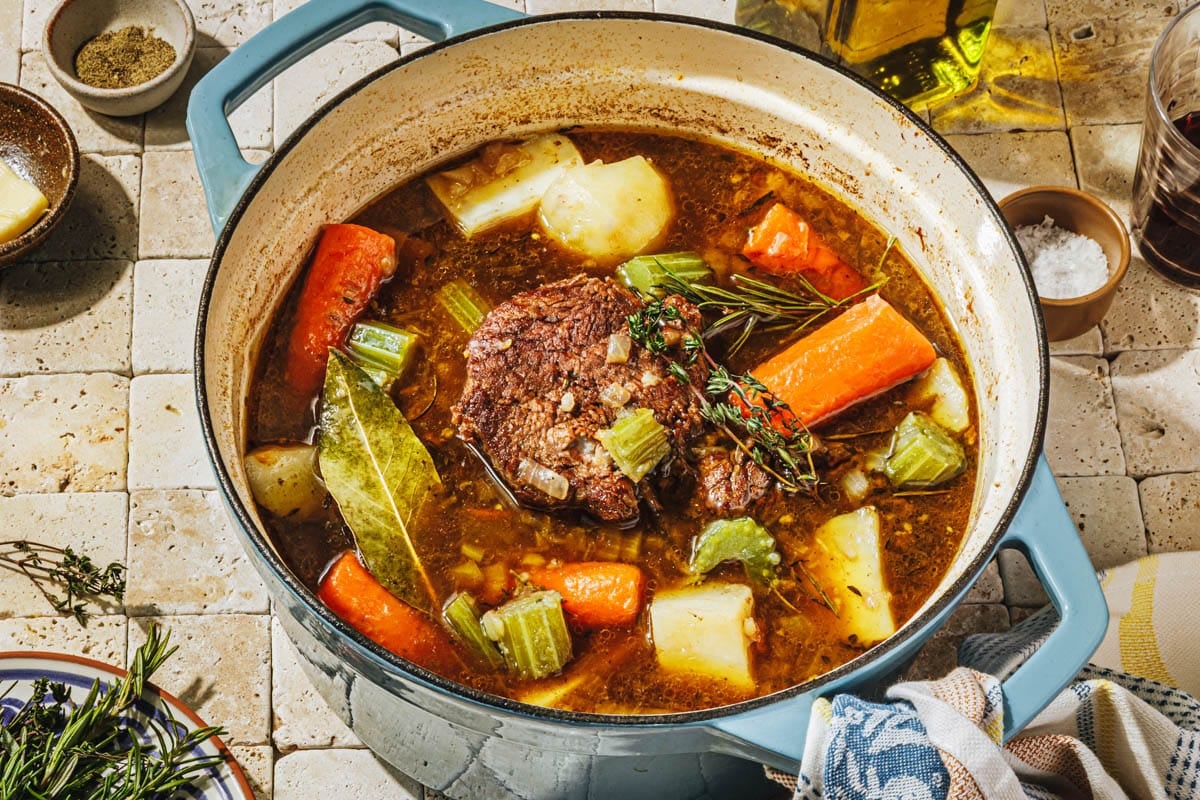
Ultimate Dutch Oven Pot Roast: Fall-Apart Tender & Family Cozy
Imagine walking into your home on a crisp autumn evening, greeted by the warm, comforting aroma of a slowly simmering feast. That's the magic of an ultimate dutch oven pot roast. More than just a meal, it's a culinary hug, a promise of melt-in-your-mouth beef, perfectly tender vegetables, and a rich, deeply flavorful sauce that speaks of home and tradition. This isn't just any pot roast; it's a one-pot wonder designed to be so tender it literally falls apart, making it the perfect centerpiece for a cozy family dinner.
For generations, the pot roast has been a symbol of hearty, soulful cooking. When crafted in a Dutch oven, this classic dish transcends the ordinary, becoming an experience that gathers loved ones around the table and fills hearts as much as bellies. Especially as the seasons turn cooler, a well-made dutch oven pot roast becomes a cherished tradition, promising warmth, incredible taste, and remarkably easy cleanup.
Why Your Dutch Oven is the Unsung Hero of Pot Roast
The secret to an exceptional pot roast often lies not just in the ingredients, but in the vessel itself. A high-quality Dutch oven is far more than just a heavy pot; it's an indispensable tool that elevates a simple cut of beef into a culinary masterpiece. Here’s why it’s the ultimate choice for your next dutch oven pot roast:
- Superior Heat Retention: Dutch ovens, typically made of cast iron (often enameled), excel at retaining and distributing heat evenly. This consistent heat is crucial for slow cooking, ensuring your meat cooks uniformly without hot spots, leading to unparalleled tenderness.
- Exceptional Searing Power: The heavy bottom and walls of a Dutch oven get incredibly hot and stay hot, making it ideal for achieving a deep, caramelized crust on your meat. This initial sear is a non-negotiable step for building profound flavor, as we'll discuss further.
- Sealing in Moisture: Its heavy, tight-fitting lid traps steam and moisture within the pot, creating a self-basting environment. This ensures the beef remains incredibly juicy and succulent throughout the long cooking process, preventing it from drying out.
- Stovetop-to-Oven Versatility: The ability to transition seamlessly from searing on the stovetop to slow braising in the oven makes the Dutch oven a true one-pot wonder. This minimizes cleanup and allows flavors to develop in a single vessel.
Investing in a good Dutch oven is an investment in countless comforting meals, starting with this ultimate dutch oven pot roast.
The Golden Rule of Flavor: Searing and Browning
If you take away just two critical tips for making the best dutch oven pot roast of your life, let them be these: sear the meat beautifully and don't rush the browning of your aromatics. These initial steps are the foundational building blocks of flavor, creating a depth that simply cannot be achieved otherwise.
- The Art of Searing the Beef: Before any liquid goes into the pot, your beef chuck needs to develop a rich, dark brown crust on all sides. This isn't just for aesthetics; it's the result of the Maillard reaction, a complex chemical process that creates hundreds of new flavor compounds. High heat and undisturbed contact with the hot surface of your Dutch oven are key. Ensure your meat is patted dry and seared in batches if necessary to avoid overcrowding, which can lead to steaming instead of browning. For a deeper dive into this crucial step, read our guide on Searing Secrets: Unlock Rich Flavor in Your Dutch Oven Pot Roast.
- Browning the Aromatics: After searing the beef, the next step involves softening and browning your onions and garlic. Just like the beef, this process develops a rich, sweet, and savory character that caramelizes their natural sugars. Patience here pays dividends in flavor.
- The Magic of Fond: As the meat and aromatics brown, delicious little golden-brown bits will stick to the bottom of your Dutch oven. This is culinary gold, often referred to as "fond," and it's absolutely packed with concentrated flavor.
- Deglazing for Maximum Flavor: Once your beef is seared and aromatics are browned, you'll add a liquid – typically broth or red wine – to the hot pot. Use a wooden spoon to scrape up all those flavorful brown bits from the bottom. This process, known as deglazing, dissolves the fond into the liquid, infusing your entire pot roast with incredible richness and complexity. Neglecting these steps means leaving a significant portion of your dish's potential flavor behind.
Crafting the Perfect Pot Roast: Ingredient Insights & Techniques
Beyond searing, the choice and combination of ingredients are paramount to achieving that fall-apart tender, deeply flavored dutch oven pot roast. Every element plays a role in building a symphony of taste:
- The Star: Beef Chuck Roast:
There's a reason beef chuck is the undisputed champion for pot roasts. While it might be a tougher cut initially, it's beautifully marbled with fat and connective tissue. When subjected to long, slow cooking at low temperatures, this connective tissue breaks down into gelatin, resulting in incredibly tender, moist, and juicy meat that effortlessly falls apart with the touch of a fork. Look for a well-marbled piece, ideally 3-4 pounds, to serve a family generously.
- Aromatic Foundation:
Onions and garlic are the classic starting point, but don't underestimate the power of carrots and celery to create a traditional mirepoix base. These vegetables soften and sweeten, providing a subtle yet essential background flavor.
- Flavor Boosters for a Rich Sauce:
This is where your sauce develops its signature depth and slight tang. Ingredients like tomato paste (for umami and richness), a splash of balsamic vinegar (for acidity and sweetness), a spoonful of Dijon mustard (for a subtle tang and emulsification), and Worcestershire sauce (for savory depth) are game-changers. If using, a dry red wine for deglazing not only enhances the flavor but also helps break down the meat's fibers.
- Fresh Herbs:
Don't skip fresh herbs! Sprigs of rosemary and thyme tied with kitchen twine or simply tossed into the pot infuse the entire dish with an earthy, aromatic perfume that perfectly complements the rich beef. A bay leaf also adds a subtle, savory note.
- The Braising Liquid:
High-quality beef broth is essential. Choose a low-sodium option so you can control the seasoning yourself. The liquid should come up about halfway to two-thirds of the way up the sides of the meat, allowing it to braise slowly.
- Root Vegetables for the Pot:
Potatoes (baby Yukon golds or small red potatoes work wonderfully) and extra carrots can be added later in the cooking process to ensure they are tender but not mushy. Adding them too early can result in an overly soft texture.
Elevate Your Pot Roast Experience: Tips for Success
To truly master the dutch oven pot roast and make it a regular in your rotation, consider these additional tips:
- Don't Overcrowd the Pot: This applies particularly during the searing phase. Overcrowding lowers the pot's temperature, leading to steaming rather than browning. Sear your beef in batches if necessary, allowing ample space around each piece.
- Resting is Best: Once your pot roast is cooked to perfection and falls apart easily, resist the urge to immediately shred or serve it. Remove the meat from the pot, cover it loosely with foil, and let it rest for 10-15 minutes. This allows the juices to redistribute throughout the meat, resulting in an even more tender and succulent texture.
- The "Better the Next Day" Factor: A great dutch oven pot roast often tastes even better on day two! The flavors have more time to meld and deepen. This makes it an ideal make-ahead meal for entertaining or for busy weeknights. Simply cool, refrigerate, and gently reheat on the stovetop or in the oven.
- Thickening the Sauce: If your sauce isn't as thick as you'd like, you have a few options. You can simply simmer it on the stovetop after removing the meat and vegetables to reduce it. Alternatively, create a slurry of cornstarch or flour mixed with a small amount of cold water, then whisk it into the simmering sauce until it reaches your desired consistency.
- Serving Suggestions Beyond the Plate: While classic mashed potatoes are a perfect partner, consider serving your pot roast over creamy polenta, wide egg noodles, or even a bed of fluffy rice. Don't forget a side of crusty bread for soaking up every last drop of that incredible sauce. For more ideas on how to enjoy this versatile meal, check out our article on One-Pot Dutch Oven Pot Roast: Deep Flavor, Easy Cleanup.
- Taste and Adjust: Always taste your sauce before serving. Adjust seasonings like salt, pepper, or a touch more balsamic vinegar if needed. A little fresh parsley or chives sprinkled over the top just before serving adds a lovely fresh note and vibrant color.
Conclusion
There's an undeniable magic in a truly great dutch oven pot roast. It's a dish that embodies comfort, delivers unparalleled flavor, and simplifies cleanup, making it a favorite for countless families. By understanding the critical steps of searing and deglazing, choosing the right ingredients, and embracing the slow cooking process, you can achieve a fall-apart tender result that will become a beloved tradition in your home. So pull out that Dutch oven, gather your ingredients, and prepare to create a meal that will warm your soul and bring everyone to the table.
